
Instantly transform your look without the need for expensive outfits—AI can do it in seconds
The AI Revolution in Fashion: Transforming Modeling and E-Commerce
In today’s digital age, Artificial Intelligence (AI) is revolutionizing various industries, and fashion is no exception. AI is not just a tool but a transformative force reshaping how fashion is conceptualized, marketed, and consumed. From virtual models to automated photography, AI is making high-quality fashion content accessible, efficient, and cost-effective.

The Rise of Virtual Fashion Models
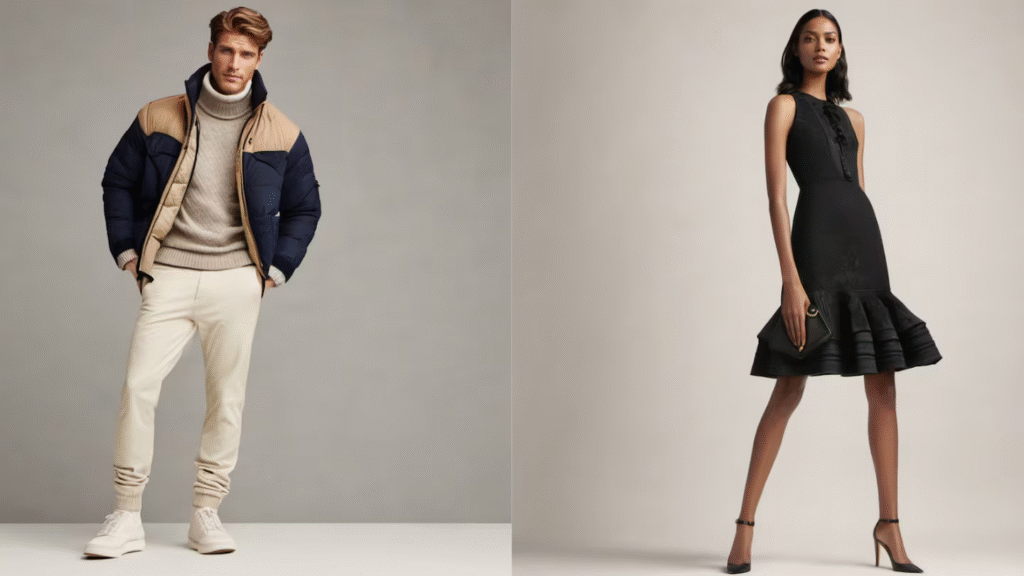
Traditionally, fashion modeling has been a human-centric industry, relying heavily on professional models to showcase clothing. However, AI-generated models are challenging this norm. Platforms like Botika and Modelia allow fashion brands to create realistic, diverse, and customizable virtual models. These AI models can be tailored to represent various body types, ethnicities, and styles, providing brands with the flexibility to cater to a global audience without the logistical challenges of traditional modeling.
The advantages are clear: AI models eliminate the need for casting calls, reduce the time spent on photoshoots, and cut down on associated costs. Brands can produce high-quality images in a fraction of the time, enabling them to respond swiftly to fashion trends and market demands.

AI in E-Commerce Photography: A Game Changer
E-commerce platforms thrive on visuals. High-quality product images can significantly influence a customer’s purchasing decision. AI is enhancing this aspect by automating various facets of product photography.
AI-driven tools can generate 3D models of garments, allowing customers to view products from multiple angles and in different settings. This not only enriches the shopping experience but also reduces the need for extensive photoshoots. Brands can create diverse product images without the logistical challenges of traditional photography.
Moreover, AI can automate background removal, image enhancement, and even generate lifestyle images that depict products in real-world scenarios. This automation accelerates content creation, ensuring that e-commerce platforms have fresh and engaging visuals to attract customers.
Democratizing Fashion Content Creation
One of the most significant impacts of AI in fashion is its ability to democratize content creation. Small and medium-sized fashion brands, which previously struggled with the high costs of professional photoshoots and modeling, can now produce high-quality content in-house. AI tools provide these brands with the resources to compete with industry giants, leveling the playing field and fostering innovation.
Additionally, AI’s ability to generate diverse models ensures that fashion content is more inclusive. Brands can showcase their products on virtual models that represent a wide range of body types, ethnicities, and genders, resonating with a broader audience and promoting inclusivity in fashion.

Pros of AI in Fashion Modeling and E-Commerce
1. Cost Efficiency
Traditional photoshoots involve expenses related to hiring models, photographers, makeup artists, and renting locations. AI-generated models eliminate these costs, allowing brands to allocate resources elsewhere, such as in design or marketing.
2. Diversity and Inclusivity
AI can generate models of various ethnicities, body types, and ages, promoting inclusivity in fashion representation. This diversity allows brands to cater to a broader audience and challenge traditional beauty standards.
3. Speed and Scalability
AI can produce images in a fraction of the time it takes for traditional photoshoots. This rapid turnaround enables brands to respond quickly to trends and consumer demands, keeping their offerings fresh and relevant.
4. Consistency
AI-generated models and images maintain consistency across campaigns and platforms. Brands can ensure that their visual identity remains cohesive, regardless of where their content is displayed.
5. Personalization
AI can analyze consumer data to create personalized shopping experiences. By understanding individual preferences, AI can recommend products and styles tailored to each customer, enhancing satisfaction and increasing sales.
Cons of AI in Fashion Modeling and E-Commerce
1. Loss of Human Touch
While AI can replicate human features, it lacks the emotional depth and authenticity that human models bring to fashion. The subtle expressions, movements, and energy that real models convey are challenging for AI to emulate.

2. Job Displacement
The rise of AI-generated models raises concerns about job losses in the modeling industry. Freelance models, photographers, and other creatives may find their roles diminished as brands turn to AI for cost savings.

3. Ethical Concerns
The use of AI in fashion prompts ethical questions regarding representation and authenticity. AI-generated models can perpetuate unrealistic beauty standards and may not accurately reflect the diversity of real-world consumers.
4. Consumer Trust
Some consumers may feel deceived if they discover that the models showcasing products are not real people. Transparency is crucial to maintain trust and credibility with the audience.

5. Technical Limitations
Despite advancements, AI-generated images can still exhibit imperfections, such as unnatural lighting, awkward poses, or inconsistent textures. These flaws can detract from the quality and professionalism of the content.
The Future of AI in Fashion
As AI technology continues to evolve, its role in fashion is expected to expand. Future developments may include:
- Augmented Reality (AR) Shopping Experiences: AI can power virtual fitting rooms, allowing consumers to try on clothes digitally before making a purchase.
- Sustainable Fashion: AI can optimize production processes, reducing waste and promoting eco-friendly practices in fashion manufacturing.
- Enhanced Creativity: AI can assist designers by generating new patterns, styles, and concepts, pushing the boundaries of fashion innovation.
- Improved Consumer Insights: AI can analyze consumer behavior to predict trends and preferences, enabling brands to tailor their offerings more precisely.
Conclusion
AI is undeniably transforming the fashion industry, offering numerous benefits in terms of cost, efficiency, and inclusivity. However, it also presents challenges related to authenticity, ethics, and employment. As the industry navigates this technological shift, it is essential to find a balance that leverages AI’s capabilities while preserving the human elements that make fashion a dynamic and expressive art form.
The future of fashion lies in the harmonious integration of AI and human creativity, where technology enhances rather than replaces the artistry and emotion that define the industry. By embracing AI thoughtfully and responsibly, fashion can continue to evolve in exciting and inclusive ways.
