Introduction
The automotive industry is undergoing one of the biggest transformations in its history. Across Europe, governments are introducing strict regulations aimed at reducing carbon emissions and combating climate change. One of the most significant measures is the planned phase-out of new petrol and diesel cars by 2035.
This policy has sparked global discussions among consumers, automakers, environmentalists, and policymakers. While supporters view it as a necessary step toward a cleaner future, critics raise concerns about affordability, infrastructure, and consumer choice.
In this article, we explore why Europe is banning petrol cars by 2035, how the policy works, its benefits, challenges, and what it means for drivers and the automotive industry.
Understanding the 2035 Ban
What Does the Ban Actually Mean?
A common misconception is that Europe will completely remove petrol and diesel cars from the roads by 2035. This is not accurate.
The regulation primarily targets the sale of new cars. After 2035:
- New petrol cars cannot be sold.
- New diesel cars cannot be sold.
- Existing petrol and diesel vehicles can still be driven.
- Used petrol and diesel cars can still be bought and sold in many regions.
- Electric vehicles (EVs) and other zero-emission vehicles will become the primary options for new car buyers.
The goal is to gradually transition the market toward cleaner transportation rather than immediately eliminating all conventional vehicles.
Why Is Europe Taking This Step?
1. Fighting Climate Change
Transportation is one of the largest sources of greenhouse gas emissions in Europe.
Cars powered by petrol and diesel release carbon dioxide (CO₂), which contributes significantly to global warming. By replacing combustion-engine vehicles with zero-emission alternatives, Europe hopes to reduce its overall carbon footprint.
Reducing emissions from transportation is considered essential for meeting long-term climate goals and limiting the impact of climate change.
2. Achieving Climate Neutrality by 2050
Europe has set ambitious environmental targets.
The European Union aims to become climate-neutral by 2050, meaning it wants to balance greenhouse gas emissions with removal efforts.
Since passenger vehicles account for a substantial portion of transportation emissions, transitioning to electric mobility is viewed as a critical component of this strategy.
Without major reductions in vehicle emissions, achieving climate neutrality would be extremely difficult.
3. Improving Air Quality
Petrol and diesel vehicles emit pollutants such as:
- Nitrogen oxides (NOx)
- Carbon monoxide (CO)
- Particulate matter (PM)
These pollutants contribute to:
- Respiratory diseases
- Heart conditions
- Urban smog
- Reduced air quality
Major European cities have struggled with pollution-related health issues for decades. Electric vehicles produce no tailpipe emissions, helping improve air quality in densely populated areas.
4. Reducing Dependence on Fossil Fuels
Europe imports large amounts of oil and petroleum products from other parts of the world.
By shifting to electric transportation:
- Energy security can improve.
- Dependence on imported fuel can decrease.
- Renewable energy sources can power transportation.
- Economic vulnerability to oil price fluctuations can be reduced.
This transition aligns with broader efforts to strengthen energy independence.
How Electric Vehicles Support the Transition
Zero Tailpipe Emissions
Electric vehicles do not burn fuel.
Instead, they use electric motors powered by rechargeable batteries. As a result, they produce no direct tailpipe emissions while driving.
This makes EVs significantly cleaner in urban environments compared to traditional internal combustion engine vehicles.
Higher Energy Efficiency
Electric vehicles are generally more energy-efficient than petrol cars.
A larger percentage of stored energy is converted into actual vehicle movement, whereas combustion engines lose substantial energy as heat.
Benefits include:
- Lower energy consumption
- Reduced operating costs
- Better overall efficiency
Integration with Renewable Energy
As Europe increases its use of:
- Solar power
- Wind power
- Hydroelectric energy
Electric vehicles can increasingly run on renewable electricity rather than fossil fuels.
This creates a cleaner transportation ecosystem over time.
Impact on Car Manufacturers
Massive Industry Transformation
The 2035 target has forced automakers to rethink their future strategies.
Manufacturers are investing billions of dollars in:
- Electric vehicle development
- Battery production facilities
- Charging technologies
- Software platforms
Traditional vehicle production is rapidly evolving toward electrification.
Increased Competition
The EV revolution has opened the door for new competitors.
Automakers from Europe, North America, and Asia are racing to:
- Improve battery technology
- Increase driving range
- Lower production costs
- Expand charging networks
Competition is accelerating innovation throughout the industry.
Benefits of the 2035 Transition
Environmental Benefits
Lower Carbon Emissions
Replacing petrol vehicles with electric alternatives can significantly reduce greenhouse gas emissions over time.
Cleaner Cities
Fewer tailpipe emissions mean:
- Better air quality
- Reduced pollution
- Healthier urban environments
Economic Benefits
Lower Fuel Costs
Electricity is often cheaper than petrol or diesel on a per-kilometer basis.
Reduced Maintenance
Electric vehicles have fewer moving parts, resulting in:
- Less wear and tear
- Fewer repairs
- Lower maintenance expenses
Technological Innovation
The transition encourages advancements in:
- Battery technology
- Energy storage
- Smart grids
- Renewable energy integration
These innovations may create new industries and employment opportunities.
Challenges and Concerns
1. High Initial Purchase Cost
Although EV prices are gradually decreasing, many electric vehicles remain more expensive than comparable petrol models.
This creates affordability concerns for many consumers.
2. Charging Infrastructure
A successful transition requires widespread charging availability.
Challenges include:
- Rural charging coverage
- Apartment charging access
- Fast-charging deployment
- Grid capacity upgrades
Governments and private companies are investing heavily to address these issues.
3. Battery Production
Battery manufacturing requires materials such as:
- Lithium
- Nickel
- Cobalt
- Graphite
Concerns include:
- Supply chain security
- Environmental impact of mining
- Resource availability
Developing sustainable battery production remains a major priority.
4. Electricity Demand
As millions of vehicles become electric, electricity demand will increase.
Europe must continue expanding:
- Renewable energy generation
- Grid infrastructure
- Energy storage systems
This ensures reliable power supply while supporting transportation electrification.
What Happens to Existing Petrol Cars?
Can People Still Drive Them?
Yes.
The 2035 regulation does not force owners to abandon their existing petrol or diesel vehicles.
Drivers can continue using their current vehicles according to national regulations.
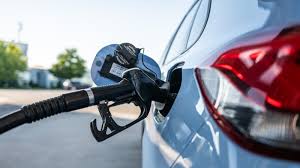
Will Petrol Stations Disappear?
Not immediately.
Fuel stations will likely continue operating for many years because millions of conventional vehicles will remain on the road.
However, demand for petrol and diesel is expected to gradually decline over time.
Could Alternative Technologies Play a Role?
Hydrogen Vehicles
Hydrogen fuel-cell vehicles are being explored as another zero-emission transportation option.
Potential advantages include:
- Fast refueling
- Long driving range
However, infrastructure development remains limited compared to electric vehicles.
Synthetic Fuels
Some industry groups support synthetic fuels, also known as e-fuels.
These fuels are produced using renewable energy and could potentially power internal combustion engines with lower carbon emissions.
Debate continues regarding their future role in Europe’s transportation strategy.
How Will Consumers Be Affected?
More Electric Vehicle Choices
Consumers are expected to benefit from:
- Greater EV variety
- Improved battery performance
- Longer driving ranges
- Lower ownership costs
Changes in Driving Habits
Drivers may need to adapt to:
- Home charging routines
- Charging stop planning
- Battery range management
As charging infrastructure improves, these adjustments are expected to become easier.
Global Impact of Europe’s Decision
Europe’s automotive policies often influence global markets.
Because Europe is one of the world’s largest automotive markets, many manufacturers are aligning their global strategies with electrification goals.
Countries around the world are watching Europe’s transition closely and may adopt similar policies in the future.
The 2035 target is therefore likely to have implications far beyond Europe itself.
Conclusion
Europe’s plan to stop the sale of new petrol and diesel cars by 2035 represents a historic shift in transportation policy. The decision is driven by goals such as reducing greenhouse gas emissions, improving air quality, strengthening energy security, and achieving climate neutrality by 2050.
While significant challenges remain—including charging infrastructure, battery supply chains, and vehicle affordability—the transition is already reshaping the automotive industry. Manufacturers are investing heavily in electric mobility, governments are expanding charging networks, and consumers are gradually embracing cleaner transportation options.
Whether viewed as an environmental necessity or a disruptive policy change, the 2035 phase-out marks a major milestone in the global move toward sustainable transportation and will likely influence automotive markets for decades to come.